Choosing the Right Fabrication Method for Your Project
- Tyler Cole
- Apr 9
- 4 min read
When embarking on a new project, one of the most critical decisions you will face is selecting the appropriate fabrication method. The right choice can significantly impact the quality, cost, and timeline of your project. With various options available, understanding the strengths and weaknesses of each method is essential for achieving the best results. This guide will help you navigate the complexities of fabrication methods, ensuring you make an informed decision that aligns with your project goals.
Understanding Fabrication Methods
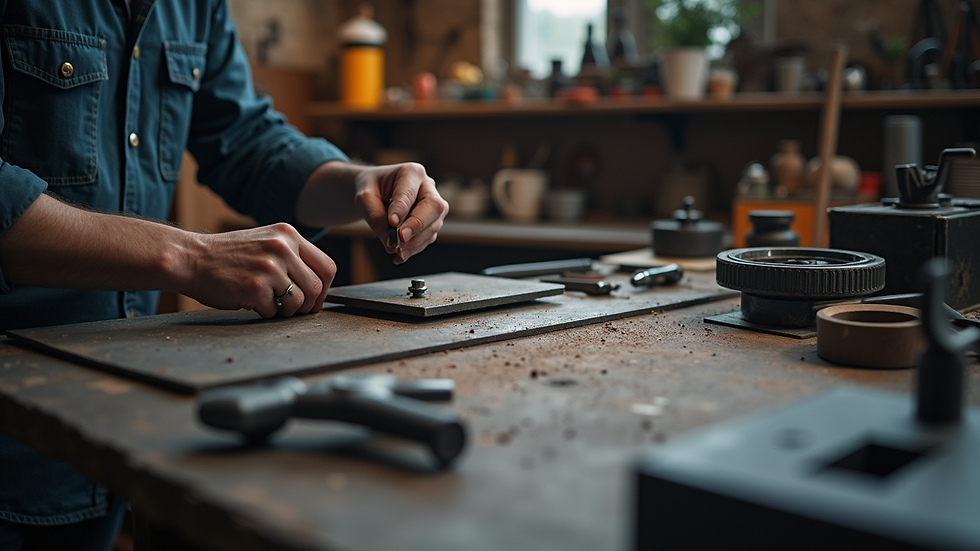
Fabrication refers to the process of constructing products by combining various materials. The methods used can vary widely, depending on the materials involved, the complexity of the design, and the intended application. Here are some of the most common fabrication methods:
1. Welding
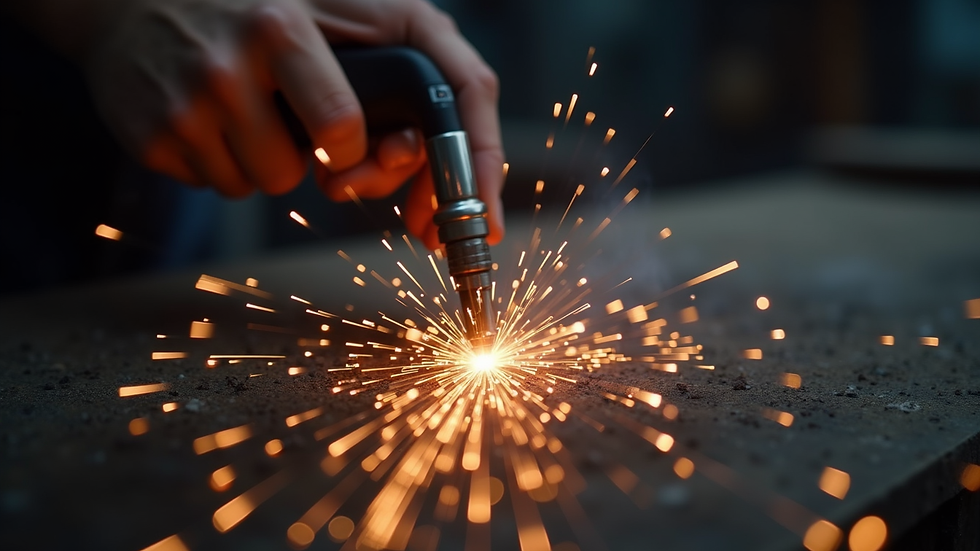
Welding is a fabrication process that joins materials, usually metals or thermoplastics, by melting the parts together and allowing them to cool, causing fusion. This method is widely used in construction, automotive, and manufacturing industries.
Advantages of Welding:
Strong and durable joints
Versatile for various materials
Cost-effective for large-scale production
Disadvantages of Welding:
Requires skilled labor
Can be time-consuming
May introduce stress and distortion in the materials
2. Machining
Machining involves removing material from a workpiece to achieve the desired shape and size. This method is commonly used for metals and plastics and includes processes such as turning, milling, and drilling.
Advantages of Machining:
High precision and accuracy
Suitable for complex geometries
Can produce tight tolerances
Disadvantages of Machining:
Material waste can be significant
Higher costs for small production runs
Requires specialized equipment
3. Sheet Metal Fabrication
Sheet metal fabrication is a process that involves cutting, bending, and assembling thin sheets of metal into various shapes. This method is prevalent in industries such as HVAC, automotive, and electronics.
Advantages of Sheet Metal Fabrication:
Lightweight and strong products
Cost-effective for mass production
Flexible design options
Disadvantages of Sheet Metal Fabrication:
Limited to thin materials
Requires precise measurements
Can be labor-intensive
4. 3D Printing
3D printing, or additive manufacturing, creates three-dimensional objects by layering materials based on digital models. This method is gaining popularity in various industries, including aerospace, healthcare, and consumer products.
Advantages of 3D Printing:
Rapid prototyping capabilities
Customization options
Reduced material waste
Disadvantages of 3D Printing:
Slower production speeds for large quantities
Limited material options
Surface finish may require post-processing
5. Casting
Casting involves pouring molten material into a mold to create a specific shape. This method is commonly used for metals and is ideal for producing complex shapes.
Advantages of Casting:
Can produce intricate designs
Suitable for large parts
Cost-effective for high-volume production
Disadvantages of Casting:
Longer lead times
Potential for defects in the final product
Requires significant post-processing
Factors to Consider When Choosing a Fabrication Method
Selecting the right fabrication method involves evaluating several factors that can influence your project's success. Here are some key considerations:
1. Material Type
Different materials require specific fabrication methods. For instance, metals may be best suited for welding or machining, while plastics might be more appropriate for 3D printing or injection molding. Understanding the properties of your chosen material will guide your decision.
2. Project Complexity
The complexity of your design can dictate the fabrication method you choose. Simple designs may be efficiently produced using welding or sheet metal fabrication, while intricate designs may necessitate machining or 3D printing.
3. Production Volume
Consider the scale of your project. For large production runs, methods like casting or sheet metal fabrication may be more cost-effective. Conversely, for small batches or prototypes, 3D printing or machining might be more suitable.
4. Budget Constraints
Your budget will play a significant role in determining the fabrication method. Some methods, like machining, can be expensive due to tooling and labor costs, while others, like welding, may offer a more economical solution.
5. Lead Time
If your project has tight deadlines, consider the lead time associated with each fabrication method. Some methods, like 3D printing, can produce parts quickly, while others, like casting, may require longer setup times.
Practical Examples of Fabrication Method Selection
To illustrate the decision-making process, let's explore a few practical examples:
Example 1: Automotive Component
An automotive manufacturer needs to produce a new engine component. The design is complex, requiring high precision and durability.
Chosen Method: Machining
Reasoning: The need for tight tolerances and the ability to work with metal materials make machining the ideal choice.
Example 2: HVAC Ductwork
A contractor is tasked with fabricating ductwork for a commercial building. The design is relatively simple, and a large quantity is required.
Chosen Method: Sheet Metal Fabrication
Reasoning: This method allows for efficient production of lightweight and strong ductwork at a lower cost.
Example 3: Custom Medical Device
A startup is developing a custom medical device that requires rapid prototyping and customization.
Chosen Method: 3D Printing
Reasoning: The ability to quickly iterate designs and produce small batches makes 3D printing the best option.
Conclusion
Choosing the right fabrication method is crucial for the success of your project. By understanding the various methods available and considering factors such as material type, project complexity, production volume, budget, and lead time, you can make an informed decision that aligns with your goals. Remember, the right choice can lead to improved quality, reduced costs, and a more efficient production process. Take the time to evaluate your options carefully, and don't hesitate to consult with experts in the field to ensure you select the best fabrication method for your needs.

Comments