Essential Welding Techniques for Beginners
- Tyler Cole
- Apr 9
- 4 min read
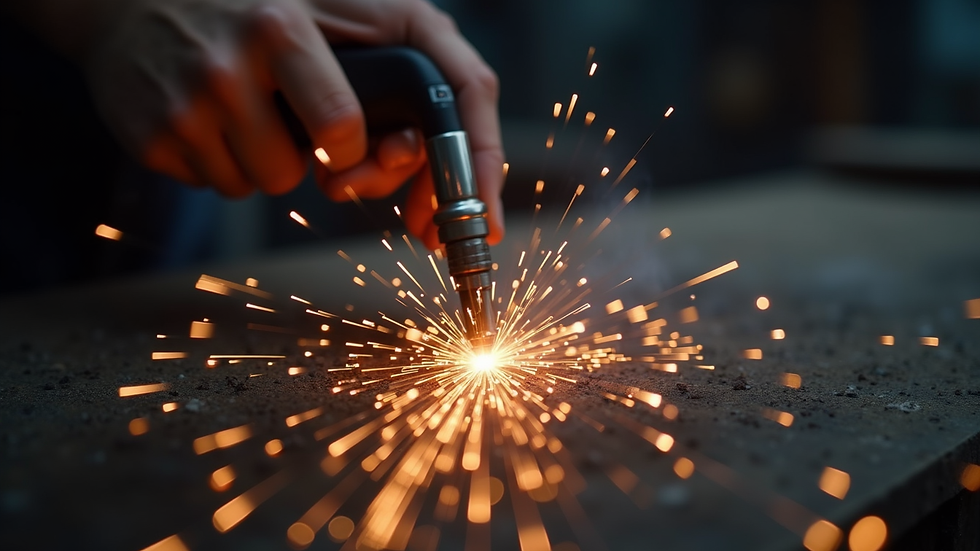
Welding is a vital skill that plays a crucial role in various industries, from construction to automotive repair. For beginners, mastering essential welding techniques can seem daunting, but with the right guidance and practice, anyone can become proficient. This blog post will explore fundamental welding techniques, tips for beginners, and safety precautions to ensure a successful start in the world of welding.
Understanding the Basics of Welding
Before diving into specific techniques, it's important to understand what welding is and the different types available. Welding is the process of joining materials, usually metals or thermoplastics, by applying heat, pressure, or both. The most common types of welding include:
MIG Welding (Metal Inert Gas): This technique uses a continuous wire feed as an electrode and an inert gas to shield the weld from contamination. It’s user-friendly and ideal for beginners.
TIG Welding (Tungsten Inert Gas): This method uses a non-consumable tungsten electrode to produce the weld. It requires more skill and is often used for thinner materials.
Stick Welding (Shielded Metal Arc Welding): This is one of the oldest welding techniques, using a consumable electrode coated in flux to create the weld. It’s versatile and can be used outdoors.
Understanding these types will help you choose the right technique based on your project needs.
Essential Welding Techniques for Beginners
1. Setting Up Your Workspace
A well-organized workspace is crucial for effective welding. Here are some tips for setting up:
Choose a Suitable Location: Ensure your workspace is well-ventilated and free from flammable materials. A dedicated welding area is ideal.
Gather Necessary Equipment: Essential tools include a welding machine, protective gear (helmet, gloves, and apron), and cleaning tools (wire brush, grinder).
Organize Your Tools: Keep your tools within reach to minimize distractions while working.
2. Mastering the Welding Techniques
MIG Welding
MIG welding is often recommended for beginners due to its simplicity. Here’s how to get started:
Adjust the Settings: Set the voltage and wire feed speed according to the material thickness. Refer to the machine’s manual for guidance.
Practice Your Technique: Hold the gun at a 15-degree angle and maintain a consistent speed. Practice on scrap metal to develop a steady hand.
TIG Welding
While TIG welding requires more finesse, it offers excellent control. Here are some tips:
Use the Right Electrode: Choose the appropriate tungsten electrode size for your project.
Control the Heat: Adjust the amperage based on the material thickness. Too much heat can lead to burn-through.
Feed the Filler Rod: Introduce the filler rod into the weld pool as you move the torch. This requires practice to achieve a smooth weld.
Stick Welding
Stick welding is versatile and can be done in various positions. Here’s how to excel:
Select the Right Electrode: Choose an electrode based on the material type and thickness.
Maintain Arc Length: Keep a consistent arc length, typically around 1/8 inch, to ensure a stable weld.
Practice Different Positions: Try welding in flat, horizontal, vertical, and overhead positions to build your skills.
3. Safety Precautions
Safety should always be your top priority when welding. Follow these guidelines:
Wear Protective Gear: Always use a welding helmet, gloves, and protective clothing to shield yourself from sparks and UV radiation.
Ensure Proper Ventilation: Welding produces harmful fumes. Work in a well-ventilated area or use a fume extractor.
Be Aware of Your Surroundings: Keep flammable materials away from your workspace and ensure that you have a fire extinguisher nearby.
Tips for Successful Welding
1. Practice Regularly
Like any skill, welding improves with practice. Set aside time each week to work on your technique. Use scrap materials to experiment with different settings and techniques.
2. Seek Feedback
If possible, work with an experienced welder who can provide constructive feedback. They can help you identify areas for improvement and offer tips based on their experience.
3. Keep Learning
Welding is a vast field with many techniques and applications. Consider enrolling in a welding class or workshop to expand your knowledge and skills. Online resources, tutorials, and forums can also be valuable for beginners.
4. Maintain Your Equipment
Regular maintenance of your welding equipment ensures optimal performance. Clean your welding machine, replace worn-out parts, and check your gas levels frequently.
Common Mistakes to Avoid
1. Poor Preparation
Failing to clean the metal surfaces before welding can lead to weak welds. Always remove rust, paint, and contaminants to ensure a strong bond.
2. Incorrect Settings
Using the wrong voltage or wire feed speed can result in poor weld quality. Always refer to the material specifications and adjust your settings accordingly.
3. Inconsistent Speed
Maintaining a steady speed is crucial for achieving uniform welds. Practice controlling your movement to avoid uneven welds.
Conclusion
Welding is an invaluable skill that opens up numerous opportunities in various industries. By mastering essential welding techniques, setting up a safe workspace, and practicing regularly, beginners can develop their skills and confidence. Remember, the key to success in welding lies in continuous learning and practice. So, gather your materials, put on your protective gear, and start welding today!

Comments